

chemically strengthened glass
Understanding Metal Table Fabrication A Comprehensive Overview Metal table fabrication is a specialized process that involves creating high-quality metal tables for various uses, ranging from residential to industrial applications. This intricate process combines technology, craftsmanship, and design principles to produce functional and aesthetically pleasing pieces. In this article, we will delve into the steps involved in metal table fabrication, the materials commonly used, and the advantages of choosing metal tables over other materials. The Fabrication Process The fabrication of metal tables involves several key steps, starting with design and planning. This initial phase is crucial, as it establishes the dimensions, style, and functionality of the table. Modern manufacturers often utilize computer-aided design (CAD) software to create detailed blueprints, allowing for precision and customization. Once the design is finalized, the next step is material selection. Common metals used in table fabrication include stainless steel, aluminum, and carbon steel. Each material offers distinct characteristics stainless steel is known for its corrosion resistance and durability, aluminum is appreciated for its lightweight nature and ease of handling, while carbon steel provides robustness and strength. After selecting the material, the fabrication process begins. This typically involves several techniques, such as cutting, bending, welding, and finishing. Laser cutting is a popular method, as it allows for intricate designs and seamless edges. Bending is often done using press brakes to shape the metal into the desired form. Welding is crucial for assembling the components, ensuring structural integrity. Finally, finishing techniques like powder coating or polishing enhance the aesthetic appeal and protect the surface from wear and tear. Advantages of Metal Tables Metal tables offer numerous advantages over tables made from other materials like wood or plastic. One of the most significant benefits is their durability. Metal tables are built to withstand heavy usage and are resistant to scratches, dents, and stains . This makes them an ideal choice for high-traffic areas such as restaurants, factories, or workshops. metal table fabrication Another advantage is their low maintenance requirements. Unlike wooden tables that may require regular treatments to prevent warping and damage, metal tables are easy to clean and maintain. Most metals can be wiped down with simple cleaning solutions, and their surfaces are less prone to harboring bacteria, making them more hygienic. Furthermore, metal tables can be customized to fit various design aesthetics. They can be finished in an array of colors and textures, making it easy to match them with existing decor. Whether it’s a sleek modern design or a more industrial look, metal tables can accommodate a wide range of styles. Sustainability and Innovation In recent years, the focus on sustainability within the metal fabrication industry has grown. Many manufacturers are now incorporating recycled metals in their products, reducing the environmental impact. Additionally, advancements in technology have led to more energy-efficient fabrication processes, further contributing to sustainable practices. Innovation does not stop at materials; new designs and manufacturing methods continue to emerge. For instance, the integration of smart technology is becoming more prevalent, with features such as adjustable height tables or integrated power outlets. Conclusion Metal table fabrication is a multifaceted process that combines creativity, engineering, and craftsmanship. The resulting tables not only serve practical purposes but also add aesthetic value to any space. With their durability, low maintenance, and customizable design options, metal tables are an excellent choice for various applications. As the industry moves towards sustainability and innovation, consumers can expect even more exciting developments in metal table fabrication in the future. Whether for home, work, or recreational use, investing in a metal table is a decision that will stand the test of time.
about
chemically strengthened glass
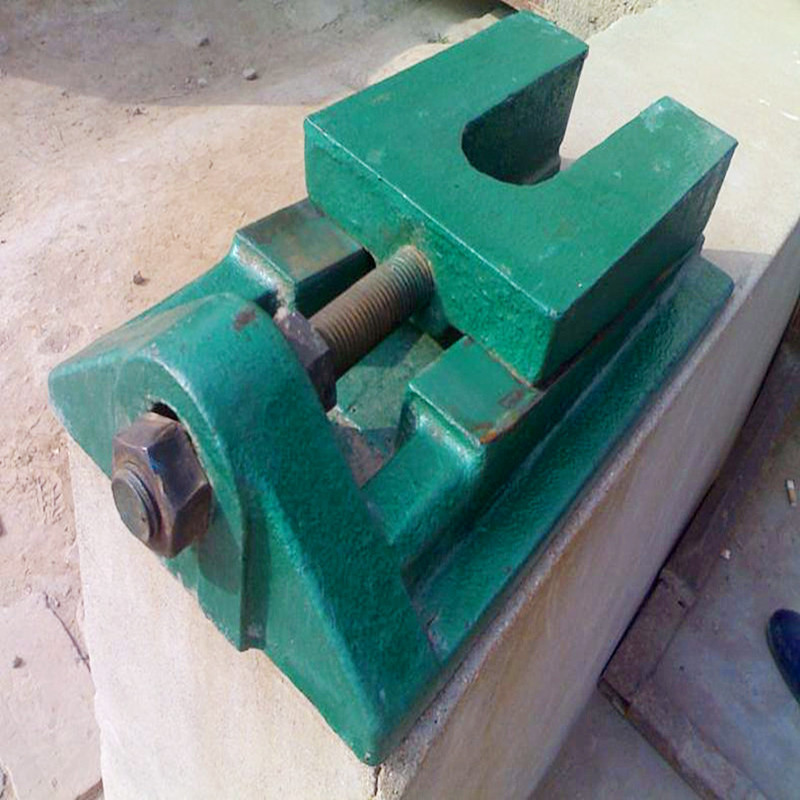
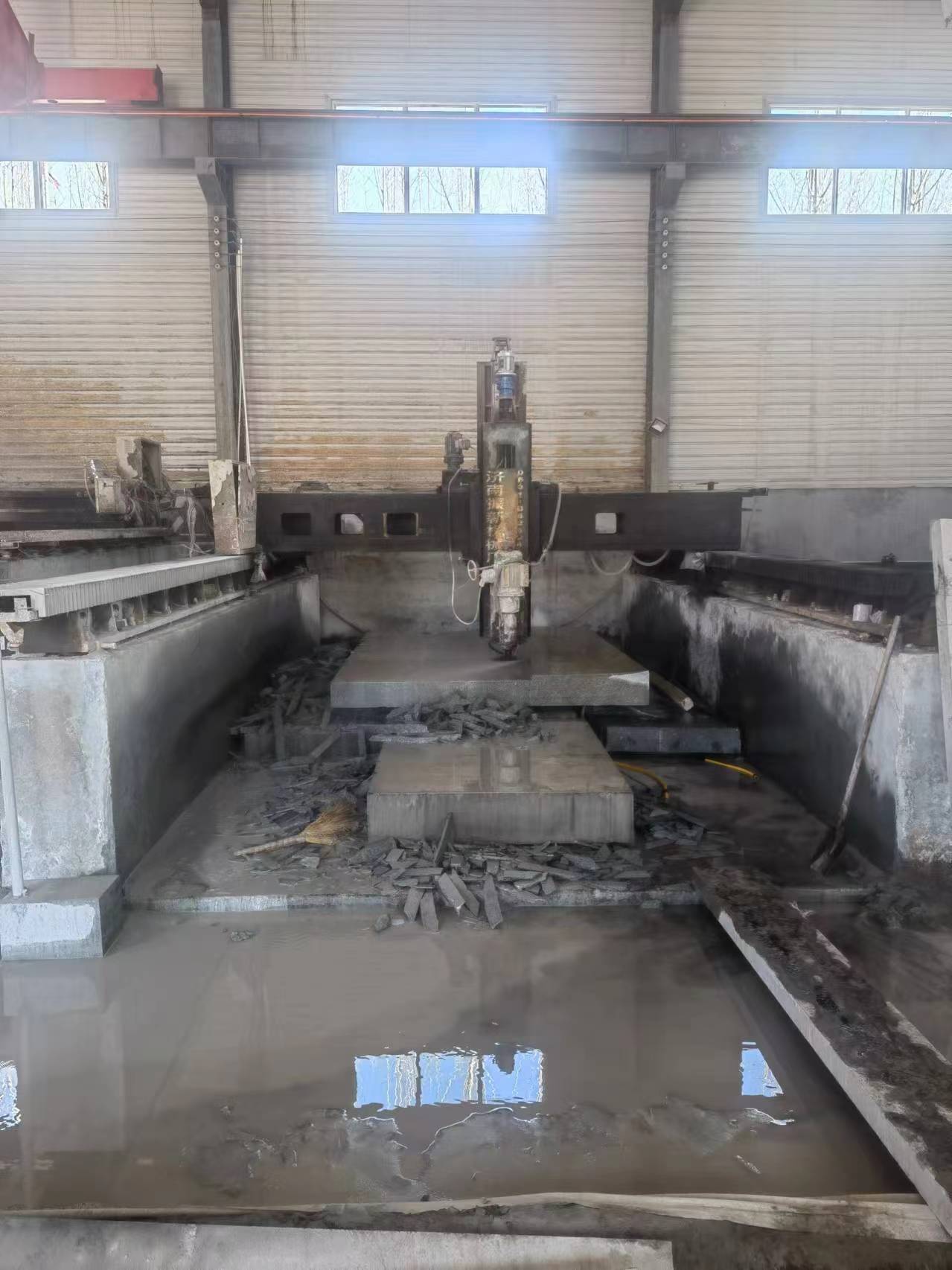
Understanding the Granite Angle Plate An Essential Tool in Precision Machining Granite angle plates are integral components in the field of precision machining, serving as indispensable tools for a wide range of measuring and setup tasks. Known for their durability, stability, and accuracy, granite angle plates are often utilized in workshops and laboratories where precision is paramount. This article delves into the characteristics, applications, advantages, and maintenance of granite angle plates, highlighting why they are favored by professionals in various industries. What is a Granite Angle Plate? A granite angle plate is a tool typically made from solid granite, which is a type of igneous rock known for its hard and dense structure. These plates come in various sizes and are designed with right angles, allowing them to be used as reference points for measuring, aligning, and supporting workpieces. The flat surfaces of the angle plate provide a stable foundation, ensuring that measurements taken during machining processes are precise and repeatable. Characteristics of Granite Angle Plates 1. Stability Granite is inherently stable and does not warp or deform over time, making granite angle plates exceptionally reliable over prolonged use. 2. Resistance to Wear The hard surface of granite is resistant to scratches and wear, which is crucial in maintaining the accuracy of the measuring surfaces. 3. Non-Magnetic Unlike metal plates, granite angle plates do not interfere with magnetic measuring tools, making them suitable for a wide range of applications. 4. Thermal Stability Granite has a low coefficient of thermal expansion, which means that it maintains its dimensions even under varying temperature conditions. 5. Excellent Surface Finish The polished surfaces of granite angle plates provide high precision and are easy to clean, which is particularly important in maintaining measurement accuracy. Applications Granite angle plates find usage in numerous applications across various industries. Some common uses include - Inspection and Measurement Granite angle plates are often employed in quality control environments to inspect the dimensions of machined parts. The straight edges and stable surfaces allow for easy setup and measurement. - Machining Setup In CNC machining and manual milling operations, granite angle plates serve as a base for securely holding components at required angles. - Tapering and Alignment These plates aid in the alignment of workpieces for processes like grinding and drilling, ensuring that operations are performed at exact angles. granite angle plate - Layout Work Engineers and machinists use granite angle plates for laying out complex shapes and ensuring that all dimensions are accurate before proceeding with machining . Advantages of Using Granite Angle Plates The utilization of granite angle plates provides several benefits - High Precision The durability and stability of granite enable high accuracy in measurements, which is critical in industries such as aerospace and automotive. - Longevity Given their resistance to wear and environmental factors, granite angle plates have a long lifespan, making them a cost-effective investment for many businesses. - Easy Maintenance Cleaning a granite surface is straightforward and requires minimal effort, ensuring that contaminants do not affect measurement accuracy. - Versatility These plates can be used for various applications across different industries, from simple setups to complex measuring tasks. Maintenance of Granite Angle Plates To ensure the longevity and accuracy of granite angle plates, proper maintenance is essential. Here are some key maintenance tips - Regular Cleaning Clean the surfaces with a soft cloth and non-abrasive cleaners. Avoid harsh chemicals that may damage the granite. - Protection from Strikes Use precautions to protect the plates from physical impacts that could chip or damage the surface. - Storage Store granite angle plates in a clean, dry place, ideally in a dedicated storage case to prevent dust accumulation and potential damage. - Frequent Calibration Regularly check the accuracy of the angle plate using calibrated instruments to ensure it meets the required precision standards. Conclusion In summary, granite angle plates stand out as a vital tool in the precision machining industry. Their unique properties, such as stability, resistance to wear, and non-magnetic characteristics, make them exceptionally suitable for various applications. By understanding their uses and maintaining them properly, professionals can leverage the advantages offered by granite angle plates to achieve the highest standards of accuracy and efficiency in their work. Whether in manufacturing, inspection, or engineering, granite angle plates remain an essential asset in ensuring quality and precision.
-

High quality industrial productsagement

High quality industrial products
View Details -

Meet the diverse needs of customers

Meet the diverse needs of customers
View Details -

Strict quality control

Strict quality control
View Details -

Top raw materials

Top raw materials
View Details -

Trusted supplier

Trusted supplier
View Details
Our application

news and information
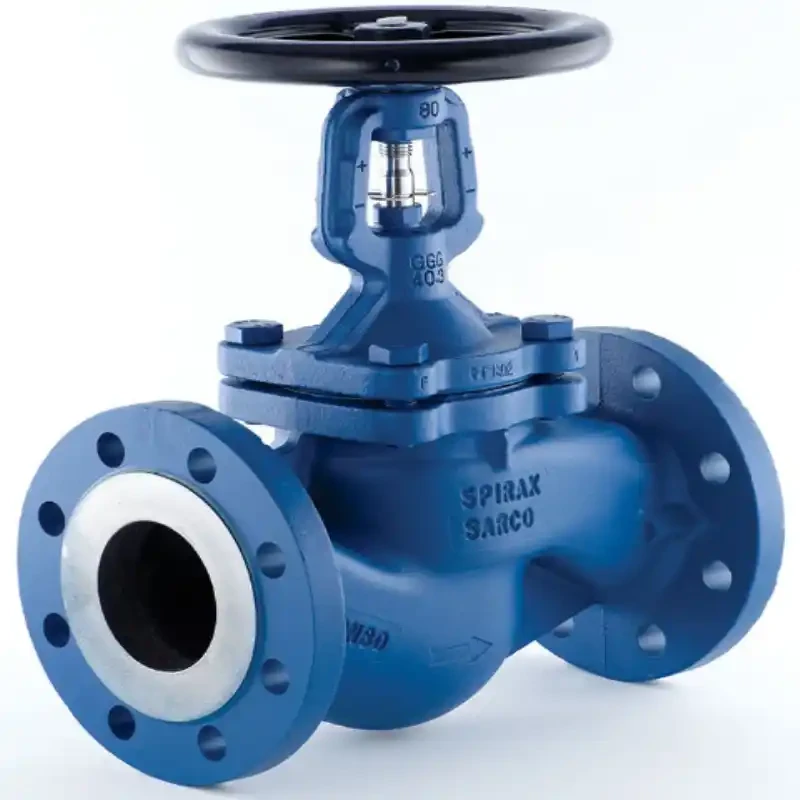
Valve manufacturing plant creating innovative products for industrial applications.
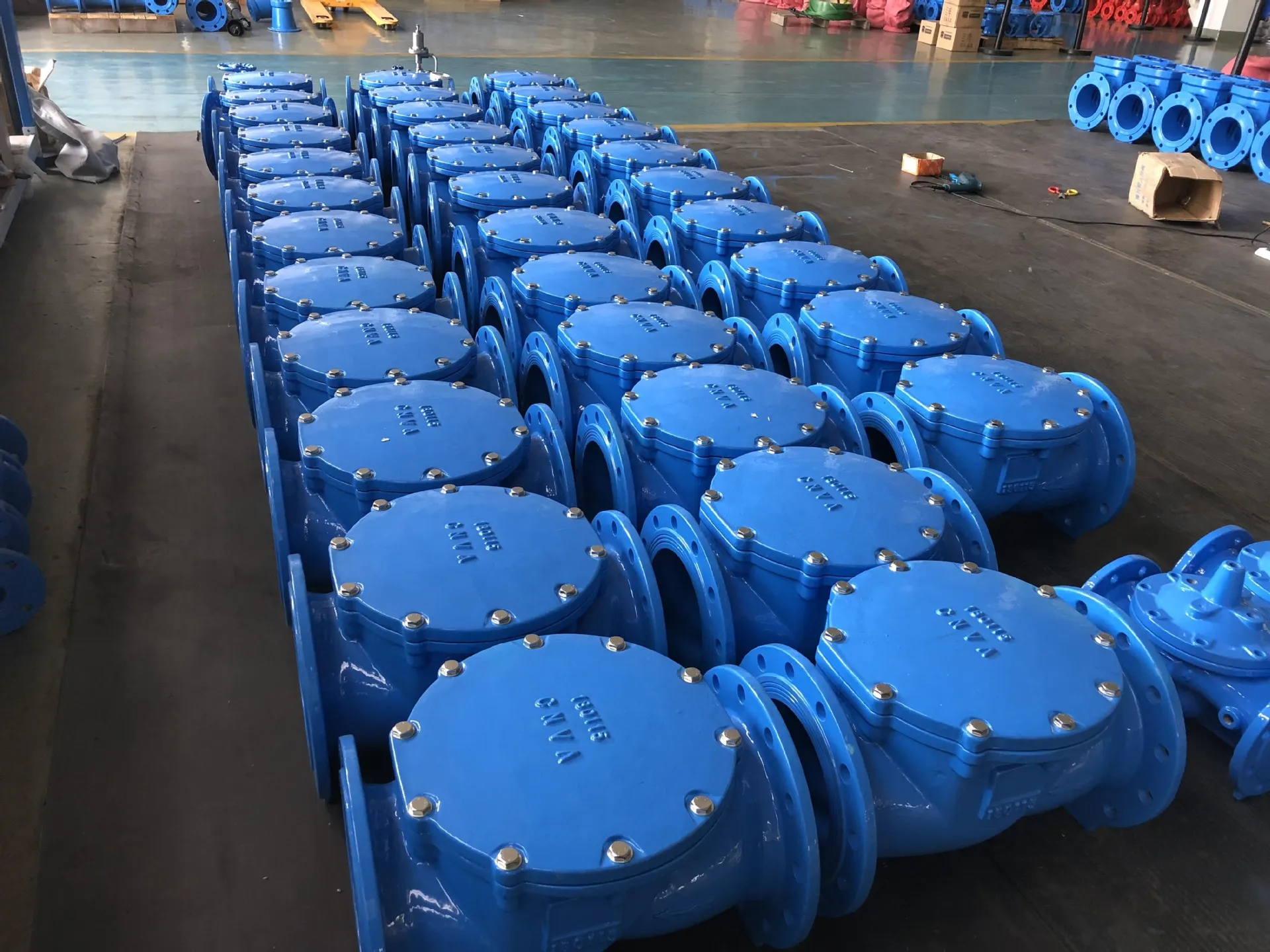
Valve Factory The Heart of the Manufacturing Process Valve factories play a crucial role in the man
valve china
Valve Corporation, a name synonymous with gaming excellence and innovation, has strategically establ

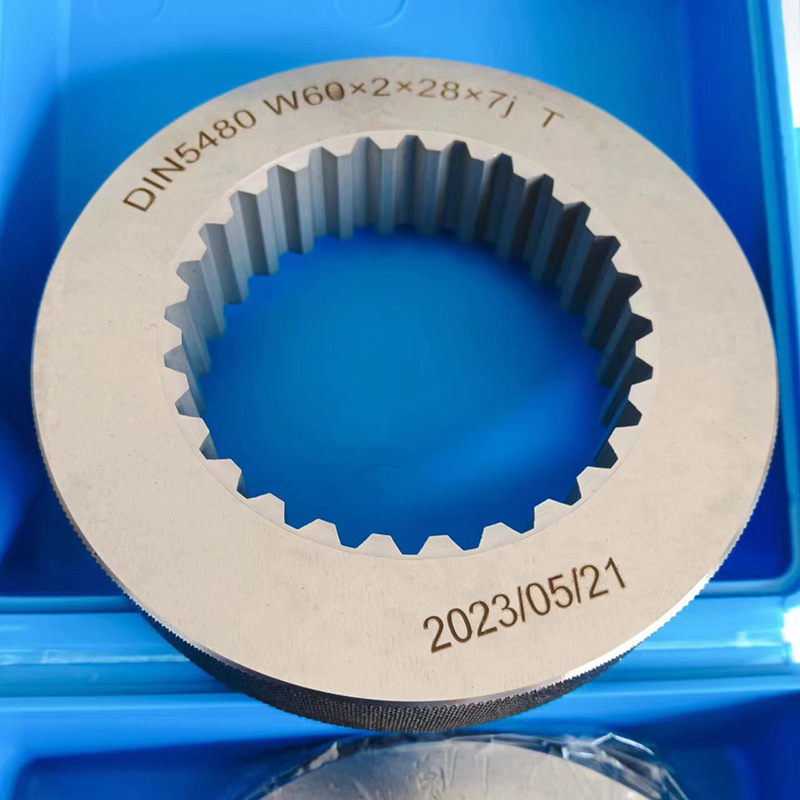
Using Ring Gauges for Precision Measurement and Quality Control in Industrial Applications
The Importance of Ring Gauges in Quality Control In the realm of manufacturing and engineering, prec
 English